Hey there,
If you’re anything like me, the start of a new year brings a mix of hope and anxiety. Hope for a fresh start, and anxiety about money. That holiday credit card bill arrives like an unwelcome guest, and the winter heating costs are no joke.
So, when I started seeing chatter online about an “IRS $2,000 Direct Deposit” hitting bank accounts in January 2026, my ears perked up. A little extra help right after the holidays? That sounds like a dream come true. But before you start planning how to spend that $2,000, let’s take a deep breath and sort the facts from the frenzy.
I’ve spent the last few days digging through official sources and reliable news, not just social media posts. My goal here is to walk you through this in plain, simple English. Who might actually get this? When could it come? And what are the rules to qualify? Let’s figure this out together.
First Things First: What Is This $2,000 Payment?
Let’s be clear: as of right now, there is no new, permanent $2,000 payment passed by Congress for January 2026. I know, that’s a bit of a letdown. The IRS doesn’t just send out surprise money without a law authorizing it.
However, the buzz isn’t coming from nowhere. It’s likely connected to one of two things:

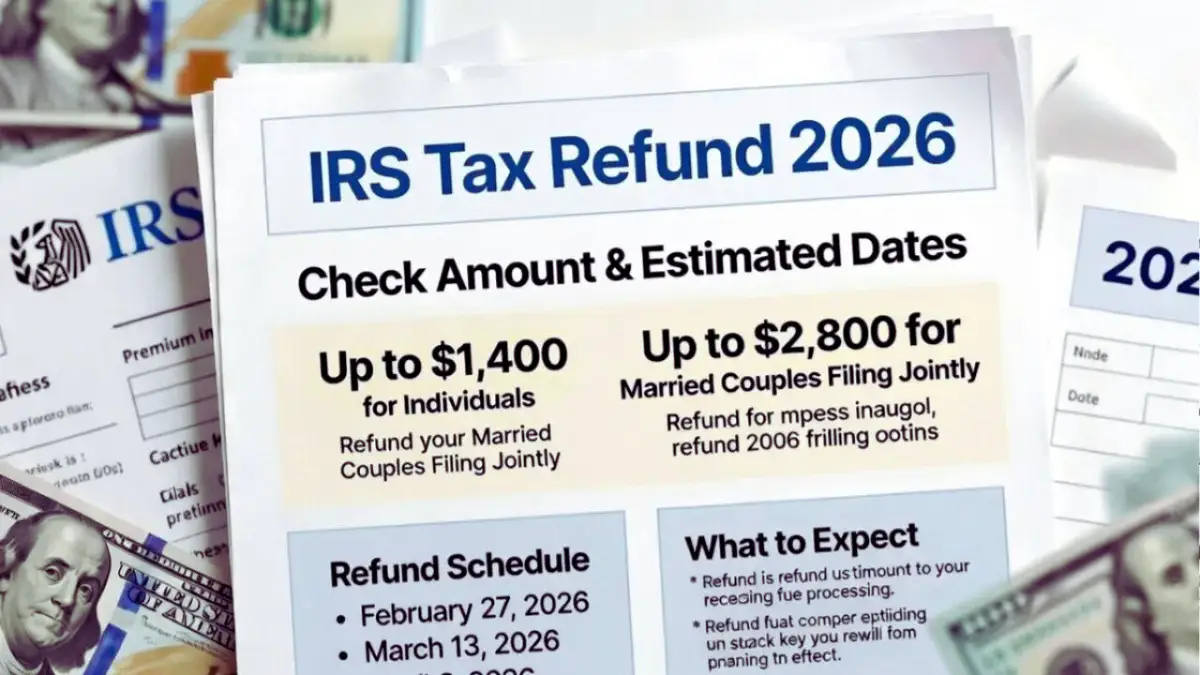
- Tax Refund Season Kick-Off: The IRS will begin accepting 2025 tax returns in late January 2026. For millions of Americans, their tax refund is the single biggest “paycheck” of the year. The average refund has often been around $2,000-$3,000. So, for early filers who choose direct deposit and have simple returns, getting a refund around $2,000 in late January is very common. This isn’t “free money”—it’s your own money, coming back to you.
- Potential Stimulus or Relief Legislation: There is always talk in Washington about new cost-of-living relief, expanded tax credits, or one-time rebates. While nothing is set in stone for 2026 yet, it’s possible that a new bill could be proposed. The “January 2026” date is likely an optimistic guess for when a potential program could start.
So, think of the “IRS $2,000 Direct Deposit” as a blend of the very real (your upcoming tax refund) and the potential (future government aid).
Who Is Most Likely to Get Paid? (Eligibility Explained)
Since the most guaranteed path to this money is via your tax refund, let’s talk about who gets a refund and how to make it a solid one.
For the Tax Refund (The Most Likely Scenario):
- You Worked and Had Taxes Withheld: You filed a W-2 with an employer who took taxes out of your pay.
- You Overpaid Your Taxes: This is the core of a refund. You paid more to the IRS throughout 2025 than you actually owed.
- You Claim Key Tax Credits: This is the big one! Tax credits are what can boost your refund significantly. The most impactful ones are:
- The Earned Income Tax Credit (EITC): A huge benefit for low-to-moderate-income workers and families. The more qualifying children you have, the larger the credit.
- The Child Tax Credit (CTC): For families with dependent children. The amount per child can change based on law, but it’s a major refund booster.
- Other Credits: Like the American Opportunity Credit for education expenses.
For a Potential New Stimulus or Rebate:
Eligibility would be 100% determined by the law that creates it. Historically, such programs have been based on:
- Your Adjusted Gross Income (AGI): There are usually income limits. Help typically phases out for higher earners.
- Tax Filing Status: Single, Married Filing Jointly, Head of Household, etc.
- Number of Dependents: Many past payments included extra amounts for children or other dependents.
- Citizenship/Residency Requirements: You generally need a valid Social Security Number.
Key Dates to Circle on Your Calendar
Mark these dates if you’re expecting a refund (which is the most concrete source of that $2,000):
- January 20-27, 2026: This is the expected window when the IRS will start accepting and processing 2025 tax returns. No returns are processed before this date.
- January 31, 2026: By this date, employers must have mailed your W-2 forms. Don’t file until you have all your documents (W-2s, 1099s, etc.).
- Early E-Filers with Direct Deposit: If you file your simple return electronically as soon as the IRS opens, and you choose direct deposit, you could see your refund in your bank account as early as mid-February 2026. The IRS motto is “21 days or less” for most e-filed returns.
Important Emotional Note: I know the wait is hard. Seeing a date on a “Where’s My Refund?” tool and then waiting for the bank to post it can feel like forever. Try to be patient. Avoid expensive “refund anticipation” loans. Your real, full refund is on its way.
How to Make Sure You’re Ready & Get Your Money Fast
- Gather Your Documents Now: Start a folder (digital or physical). Put in last year’s return, Social Security cards for you and dependents, and any income statements you receive in January.
- File Electronically: E-filing is the fastest, most accurate way to file. It drastically reduces errors and speeds up processing.
- Choose Direct Deposit: This is the #1 way to get your money quickly and securely. No lost mail, no waiting for a check to clear. Have your routing and account number ready.
- Double-Check Everything: A simple typo in your SSN or bank account number can delay your refund for weeks. Breathe, and check it twice.
- Use Free File if Eligible: If your income is below a certain threshold (usually around $79,000), you can use the IRS’s Free File program to file federal taxes for free with brand-name software.
A Personal Word of Caution & Hope
Look, I get it. We’ve been through a lot financially these past few years. The idea of an unexpected $2,000 feels like a lifeline. It’s okay to feel hopeful about it. But please, protect your heart and your wallet.
Scammers will be ALL OVER this. They will call, text, and email pretending to be the IRS about your “$2,000 direct deposit.” Remember: The IRS will NEVER contact you first by phone, text, or social media about a refund or stimulus. They initiate contact by mail. Do not give anyone your personal information or pay a “fee” to get this money. It’s a trap.
My final, heartfelt advice? Focus on what you can control. Get your tax documents in order. File an accurate, electronic return as soon as you can in late January. Choose direct deposit. If a new relief bill passes, fantastic! That will be a wonderful bonus. But building your financial plan around the surest thing—your tax refund—is the smartest and safest way to navigate this.
Here’s to a financially healthy start to 2026. You’ve got this.
Stay informed, stay safe, and I hope a little extra finds its way to you soon.
*P.S. This information is based on current laws and the typical IRS timeline. Always check the official IRS website (IRS.gov) for the most up-to-date information as we get closer to the 2026 tax season.*